
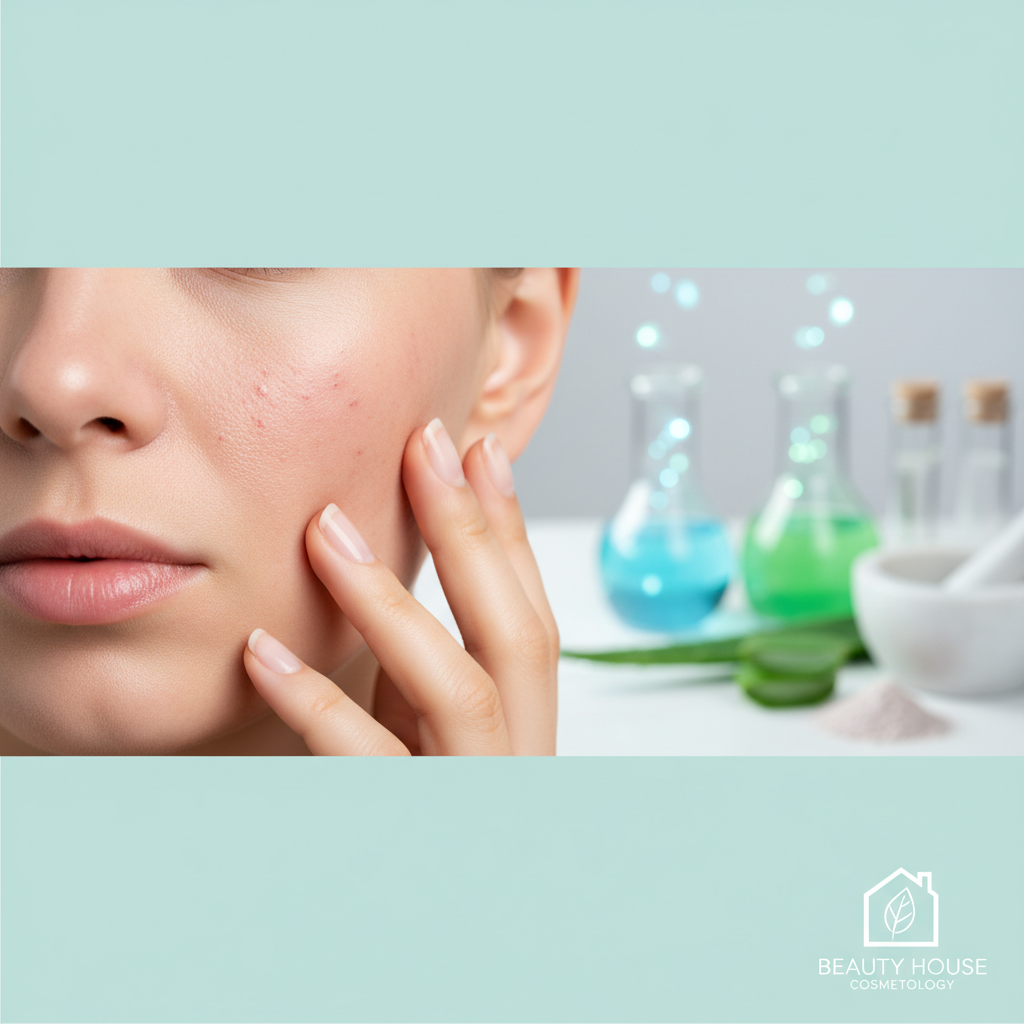
Acne is a condition that affects millions of people worldwide, regardless of age or gender. While the active breakouts are stressful enough, the lingering marks they leave behind can often be more frustrating to deal with. At Beauty House Cosmetology, we understand that achieving clear, smooth skin is a journey. If you are currently searching for information on acne scars and how to remove them, you are in the right place. Understanding the science behind skin regeneration is the first step toward reclaiming your confidence and your complexion.
Understanding the Aftermath: What Are Acne Scars?
When we talk about the "sequels" of acne, we are referring to the permanent or semi-permanent changes in skin texture and color that occur after an inflammatory lesion heals. When a pimple becomes severely inflamed, the body attempts to repair the damage by forming new collagen fibers. However, if the body produces too much or too little collagen, a scar is formed. Many people confuse post-inflammatory hyperpigmentation (dark spots) with actual scarring. While both are results of previous acne, they require different approaches for successful treatment.
The primary concern for our clients at Beauty House Cosmetology is often finding the most effective methods regarding acne scars and how to remove them. To do this, we must first categorize the type of damage present on the skin. Atrophic scars, which appear as small indentations or pits, are the most common. On the other hand, hypertrophic scars are raised and firm. Identifying your specific type is essential for choosing the right professional treatment.
The Most Effective Professional Treatments at Beauty House Cosmetology
Modern cosmetology offers a variety of non-invasive and minimally invasive procedures that can significantly improve the appearance of the skin. Depending on the depth and age of the scars, our specialists may recommend one or a combination of the following treatments:
Chemical Peels for Skin Resurfacing
Chemical peels are a cornerstone in aesthetic medicine for treating skin irregularities. This process involves applying a specialized acid solution to the skin to remove the damaged outer layers. As the skin heals, new, smoother skin grows back. Peels containing Salicylic acid, Glycolic acid, or TCA (Trichloroacetic acid) are particularly effective for fading dark marks and smoothing out shallow scars. This treatment not only addresses current marks but also helps prevent future breakouts by deeply exfoliating the pores.
Microneedling (Dermapen Therapy)
One of the most requested solutions for those wondering how to remove acne scars is Microneedling. This procedure uses a device with tiny needles to create controlled micro-injuries in the skin. This triggers the body’s natural wound-healing process, stimulating the production of fresh collagen and elastin. Over several sessions, the indentations left by acne begin to fill in, and the overall texture of the skin becomes much firmer and more even.
Laser Therapy and Intense Pulsed Light (IPL)
Laser treatments are highly effective for both textural scars and redness. According to the American Academy of Dermatology, laser treatment for acne scars focuses light on the top layers of your skin to break up scar tissue. At the same time, the heat from the laser encourages new skin cells to grow. It is a powerful tool for those seeking significant results in a shorter amount of time.
The Role of Professional Extractions and Microdermabrasion
At Beauty House Cosmetology, we emphasize that prevention is just as important as the cure. Regular professional facial cleanings and microdermabrasion can prevent the deep inflammation that leads to scarring in the first place. Microdermabrasion uses a diamond-tipped wand or fine crystals to buff away the surface layer of dead skin cells. While it may not remove deep "ice pick" scars, it is excellent for refining the skin’s surface and reducing the visibility of minor "boxcar" scars and pigmentation issues.
It is important to remember that attempting to perform extractions at home is one of the leading causes of permanent scarring. When you "pop" a pimple, you risk pushing the infection deeper into the dermis, causing more significant tissue damage. Trusting a professional cosmetologist ensures that your skin is treated with the proper hygiene and technique to minimize long-term sequels.
Daily Habits: How to Support Your Skin at Home
While professional treatments do the heavy lifting, your at-home routine determines how well your skin recovers. If you are focused on the goal of how to remove acne scars, you must be disciplined with your skincare. Sun protection is the most critical factor. UV rays darken existing acne marks and slow down the healing process of scar tissue. Applying a broad-spectrum SPF 30 or higher every single day is non-negotiable.
Incorporating active ingredients like Retinoids, Vitamin C, and Niacinamide can also make a difference. Retinoids promote cell turnover, helping to smooth the skin over time, while Vitamin C brightens the complexion and helps fade dark spots. However, these should be introduced gradually to avoid irritation, which can lead to further inflammation.
Conclusion: Start Your Journey to Clearer Skin
Dealing with the sequels of acne is a process that requires patience and expertise. There is no "one size fits all" solution, but with the right combination of professional technology and consistent home care, dramatic improvements are possible. At Beauty House Cosmetology, our mission is to help you understand your skin and provide the most advanced treatments to restore its natural beauty.
If you have been struggling with the question of acne scars and how to remove them, do not wait any longer. The sooner you treat a scar, the better the results will be. Contact us today to schedule a personalized skin consultation and take the first step toward a smoother, scar-free future.