
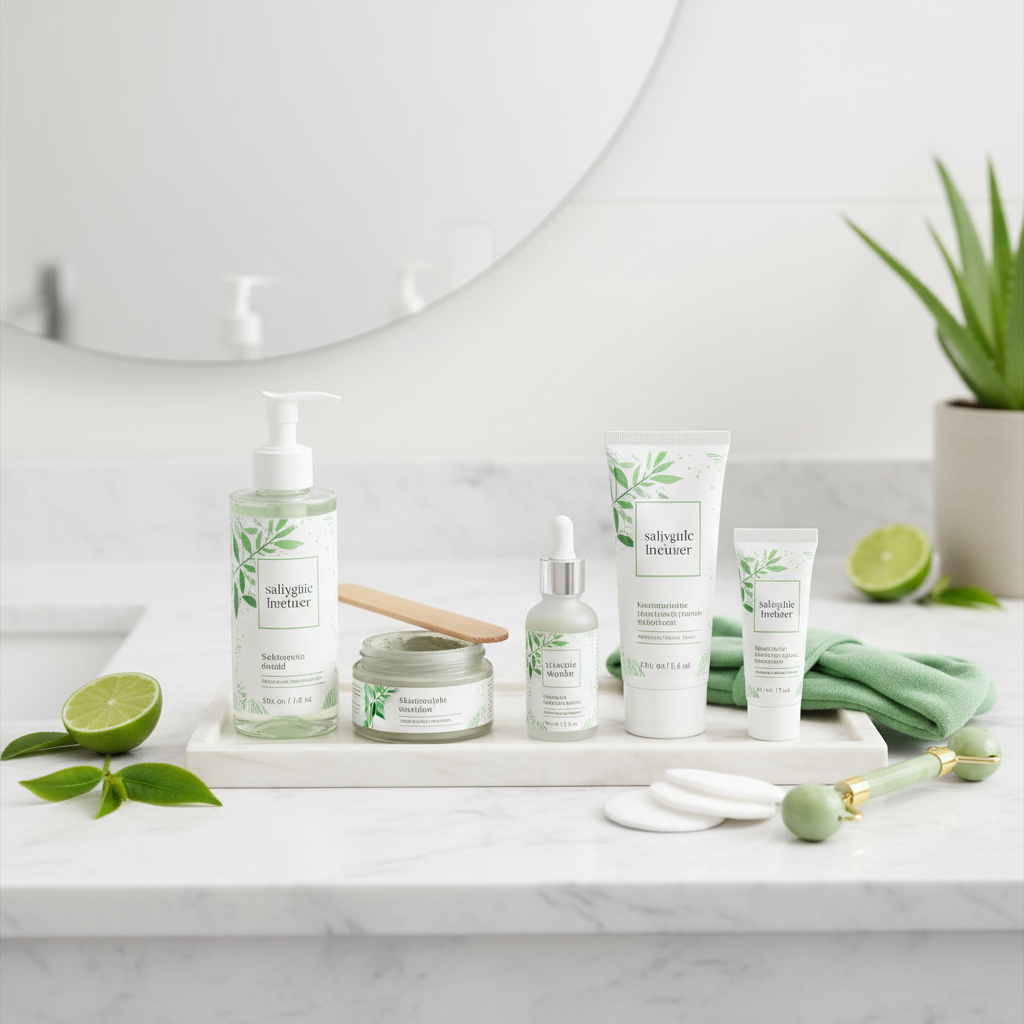
Managing oily and acne-prone skin often feels like a balancing act. On one hand, you want to eliminate excess shine and prevent breakouts; on the other, you must avoid over-stripping the skin, which can lead to irritation and even more oil production. At Beauty House Cosmetology, we understand the unique challenges that come with these skin types. Achieving a clear, matte, and healthy complexion requires more than just random products; it requires a structured and scientifically backed strategy.
In this comprehensive guide, we will break down the ideal facial routine for oily and acne-prone skin to help you regain control over your complexion. By following these steps and using the right ingredients, you can reduce inflammation, clear pores, and maintain a radiant glow without the unwanted grease.
Understanding Oily and Acne-Prone Skin
Oily skin is characterized by an overproduction of sebum from the sebaceous glands. While sebum is necessary for protecting and hydrating the skin, an excess of it can trap dead skin cells and bacteria inside the pores. This combination is the primary cause of acne, ranging from blackheads and whiteheads to more severe cystic lesions.
Factors such as genetics, hormonal fluctuations, humidity, and even stress can exacerbate oiliness. However, the most common mistake people make is using harsh, alcohol-based products that "dry out" the skin. This actually triggers a "rebound effect," where the skin produces even more oil to compensate for the perceived dryness. A professional routine focuses on balance and regulation rather than total elimination of oils.
The Essential Morning Routine
Your morning routine should focus on protection and oil control throughout the day. Here is the step-by-step process recommended by our experts at Beauty House Cosmetology:
Step 1: Gentle Cleansing
Start your day with a foaming or gel-based cleanser. Look for ingredients like Salicylic Acid (BHA), which penetrates deep into the pores to dissolve oil and debris. It is vital to use lukewarm water, as hot water can irritate the skin and stimulate oil glands.
Step 2: Balancing Toner
A toner helps to remove any remaining impurities and balance the skin’s pH levels. For acne-prone skin, alcohol-free toners containing witch hazel, niacinamide, or tea tree oil are excellent choices. These ingredients soothe redness and help minimize the appearance of enlarged pores.
Step 3: Lightweight Treatment or Serum
Morning is the perfect time for an antioxidant serum. Vitamin C can help brighten the skin and fade post-inflammatory hyperpigmentation (acne scars). Alternatively, a Niacinamide serum can help regulate sebum production and strengthen the skin barrier.
Step 4: Oil-Free Moisturizer
It is a common myth that oily skin doesn't need moisturizer. Skipping this step can lead to dehydration. Choose a "non-comedogenic" (pore-clearing) water-based or gel moisturizer. Ingredients like hyaluronic acid provide hydration without adding weight or oil.
Step 5: Sun Protection
Sunscreen is non-negotiable. UV rays can darken acne scars and cause premature aging. Many modern sunscreens are specifically formulated for oily skin, offering a "matte finish" or "dry touch." Ensure your SPF is at least 30 and labeled as oil-free.
The Evening Recovery Routine
The nighttime is when your skin goes into repair mode. This is the best time to use more potent active ingredients that might be too sensitive for daylight use.
Step 1: Double Cleansing
If you wear makeup or heavy sunscreen, double cleansing is a game-changer. Start with a micellar water or a lightweight cleansing oil (yes, oil can dissolve oil!) followed by your regular foaming cleanser. This ensures no residue is left behind to clog your pores overnight.
Step 2: Targeted Treatment (The Powerhouse Step)
This is where you address acne directly. Retinoids or Retinol are gold-standard ingredients for acne-prone skin because they accelerate cell turnover and prevent pores from clogging. If you are new to retinoids, start twice a week and gradually increase frequency. According to the American Academy of Dermatology, consistency with these treatments is key to seeing long-term results in skin texture and clarity.
Step 3: Hydration and Repair
Finish with a slightly more nourishing, yet still oil-free, night cream. Look for ceramides to help repair the skin barrier, especially if you are using drying acne treatments like benzoyl peroxide or retinoids.
Key Ingredients to Look For
When shopping for products or booking a treatment at Beauty House Cosmetology, keep an eye out for these "holy grail" ingredients for oily and acne-prone skin:
- Salicylic Acid (BHA): Exfoliates inside the pore to prevent breakouts.
- Benzoyl Peroxide: Kills acne-causing bacteria.
- Niacinamide (Vitamin B3): Reduces sebum and calms inflammation.
- Clay (Kaolin or Bentonite): Absorbs excess oil and detoxifies the skin.
- Hyaluronic Acid: Hydrates without clogging pores.
Common Mistakes to Avoid
Even with a solid facial routine for oily and acne-prone skin, certain habits can hinder your progress. Avoid these common pitfalls:
1. Over-exfoliating: Scrubbing your face too hard or using chemical exfoliants too often can damage the skin barrier, leading to more breakouts and sensitivity. Twice a week for physical or strong chemical exfoliation is usually enough.
2. Touching your face: Your hands carry bacteria and oils that can easily transfer to your face, leading to "acne mechanica." Also, never pick or squeeze pimples, as this leads to permanent scarring.
3. Not washing your pillowcases: Oil, sweat, and hair products accumulate on your pillowcase. Change it at least twice a week to keep your sleeping environment clean.
The Beauty House Cosmetology Professional Touch
While a home routine is essential, professional intervention can significantly accelerate your results. At Beauty House Cosmetology, we offer specialized treatments such as deep-cleansing facials, chemical peels, and LED light therapy specifically designed for acne management. These treatments reach deeper layers of the skin than over-the-counter products ever could, providing a professional "reset" for your complexion.
A professional esthetician can also help you identify if your "acne" is actually another condition, such as rosacea or perioral dermatitis, ensuring you are using the correct products for your specific needs.
Conclusion
Establishing an effective facial routine for oily and acne-prone skin is a journey of patience and consistency. By focusing on gentle cleansing, targeted active ingredients, and essential hydration, you can transform your skin from congested and shiny to clear and balanced. Remember that your skin is unique, and what works for someone else might not work for you.
If you are ready to take the next step in your skincare journey, we invite you to visit Beauty House Cosmetology for a personalized consultation. Together, we can create a customized plan that addresses your concerns and helps you achieve the healthy, beautiful skin you deserve.