
For many of us, our hair is more than just a physical attribute; it is a symbol of identity, health, and confidence. We invest significant time and resources into styling, coloring, and maintaining its appearance. However, there often comes a point where standard salon treatments or over-the-counter shampoos are no longer enough to address underlying issues. This is where the specialized field of trichology becomes essential. Understanding exactly when to see a trichology expert can be the difference between temporary relief and a permanent solution for your hair and scalp concerns.
At Beauty House Cosmetology, we believe that beautiful hair starts with a healthy foundation. While hairstylists focus on the aesthetics of the hair shaft, a trichologist focuses on the health of the hair follicle and the scalp. If you have been noticing changes in your hair density, scalp comfort, or the overall quality of your strands, it might be time to look deeper into the science of your scalp.
What is Trichology and What Does an Expert Do?
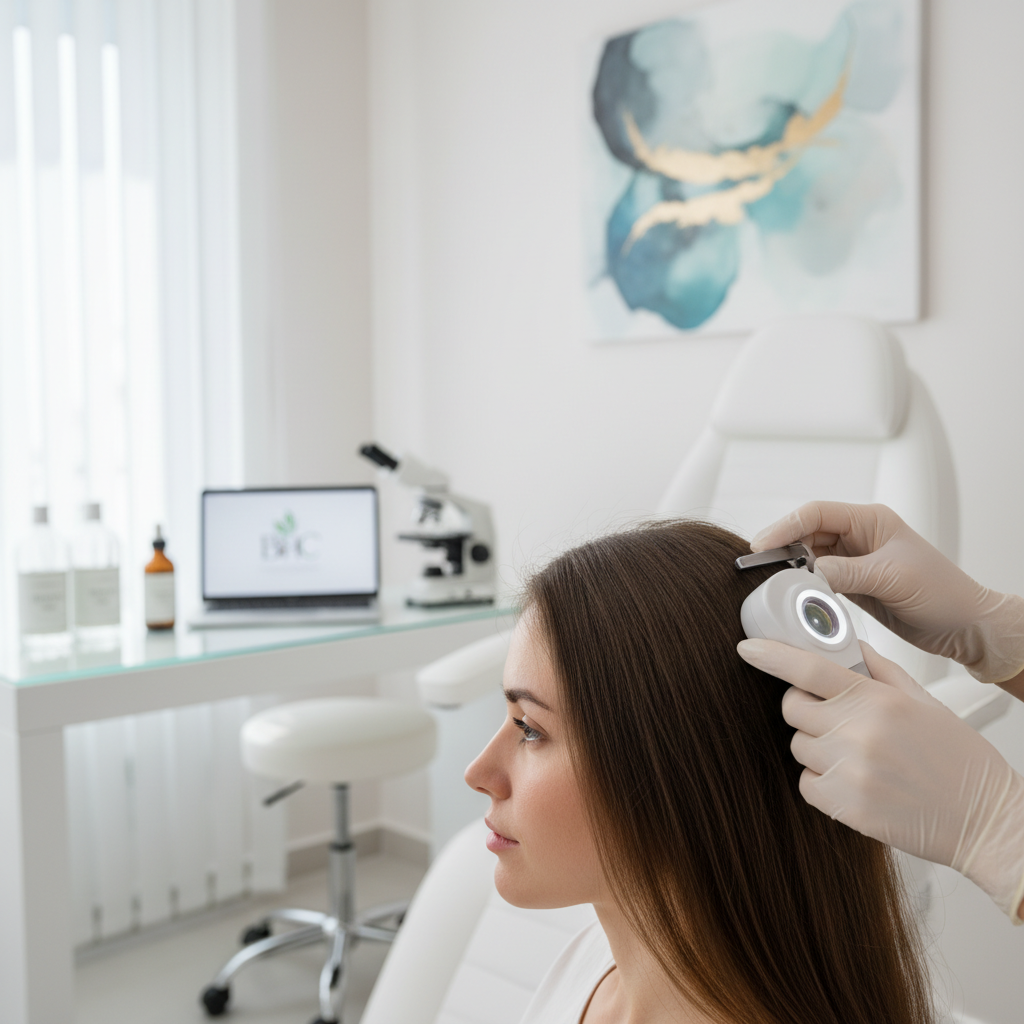
Trichology is the paramedical branch of dermatology that focuses specifically on the study of the hair and scalp. A trichology expert is trained to identify and manage various types of hair loss, scalp disorders, and hair texture changes. Unlike a general practitioner who might overlook the nuance of hair thinning, a trichologist examines the scalp through a clinical lens, often using specialized tools like trichoscopes—high-magnification cameras that reveal the health of the pores and the diameter of individual hairs.
It is important to distinguish between a medical dermatologist and a trichologist. While they often work in tandem, trichologists frequently adopt a more holistic approach, looking at lifestyle, nutrition, stress levels, and hormonal imbalances that may be manifesting as hair problems. By bridging the gap between clinical medicine and cosmetic care, they provide a roadmap for long-term recovery.
Key Signs That You Need Professional Intervention
Many people wait until they see visible bald patches before seeking help. However, early intervention is the most effective way to prevent permanent hair loss. Here are the primary indicators that you should book a consultation with a specialist.
1. Excessive Shedding (Telogen Effluvium)
It is normal to lose between 50 and 100 hairs a day. However, if you notice significant clumps of hair in your shower drain, on your pillow, or in your hairbrush, you may be experiencing Telogen Effluvium. This condition is often triggered by physical or emotional stress, nutritional deficiencies, or post-pregnancy hormonal shifts. A trichologist can help identify the trigger and provide a corrective plan.
2. Persistent Scalp Irritation and Flaking
While many people dismiss a flaky scalp as "just dandruff," persistent itching, redness, or thick scaling can indicate more complex issues such as seborrheic dermatitis, psoriasis, or even fungal infections. According to the American Academy of Dermatology, identifying the specific type of scalp condition is crucial, as using the wrong medicated shampoo can sometimes exacerbate the inflammation.
3. Thinning Hair and Widening Part Lines
If you notice that your ponytail feels thinner or that your scalp is becoming more visible through your hair, you are likely experiencing miniaturization. This is a process where the hair follicles shrink over time, producing thinner and shorter hairs until they eventually stop producing hair altogether. This is often linked to androgenetic alopecia (pattern hair loss), which requires professional management to slow down or reverse.
4. Sudden Patchy Hair Loss
The sudden appearance of smooth, round bald patches is a hallmark of Alopecia Areata, an autoimmune condition where the body’s immune system attacks the hair follicles. This requires immediate attention from an expert to manage the inflammatory response and encourage regrowth.
The Connection Between Lifestyle and Hair Health
When you visit a trichology expert at Beauty House Cosmetology, the conversation will likely extend beyond just your hair products. Our hair is a sensitive barometer of our internal health. Because hair is considered a "non-essential" tissue by the body, it is often the first thing to suffer when nutrients are scarce or when the body is under stress.
Iron deficiency (anemia), Vitamin D deficiency, and thyroid imbalances are some of the most common internal causes of hair thinning. Furthermore, the modern lifestyle—marked by high stress and processed diets—can lead to chronic inflammation that affects the scalp environment. A trichologist will evaluate these factors, often suggesting blood tests or dietary adjustments to ensure that your follicles have the biological "fuel" they need to produce strong, healthy hair.
The Consultation Process: What to Expect
Walking into a trichology consultation is different from a standard hair appointment. The session usually begins with an in-depth digital analysis. Using a specialized camera, the expert will look for signs of follicle clogging, scalp redness, and the ratio of growing hairs to resting hairs. This data allows for a personalized treatment protocol.
Treatments may range from oxygen therapy and high-frequency scalp stimulation to professional-grade topical growth factors and customized home care routines. The goal is to create an optimized environment for hair growth while addressing the root cause of the distress.
Why Choose Beauty House Cosmetology?
At Beauty House Cosmetology, we combine the luxury of aesthetic care with the precision of trichological science. We understand that hair loss can be an emotional journey, and we provide a private, supportive environment for our clients. By integrating advanced technology with a holistic philosophy, we help you regain not just your hair, but your self-esteem.
Knowing when to see a trichology expert is the first step toward reclaiming your hair health. Don't wait for the problem to become irreversible. Whether you are dealing with a sudden change or a long-term struggle with thinning, professional guidance is available to help you navigate the complexities of hair and scalp science. Your hair deserves the same level of care and expertise that you give to your skin and overall health.