
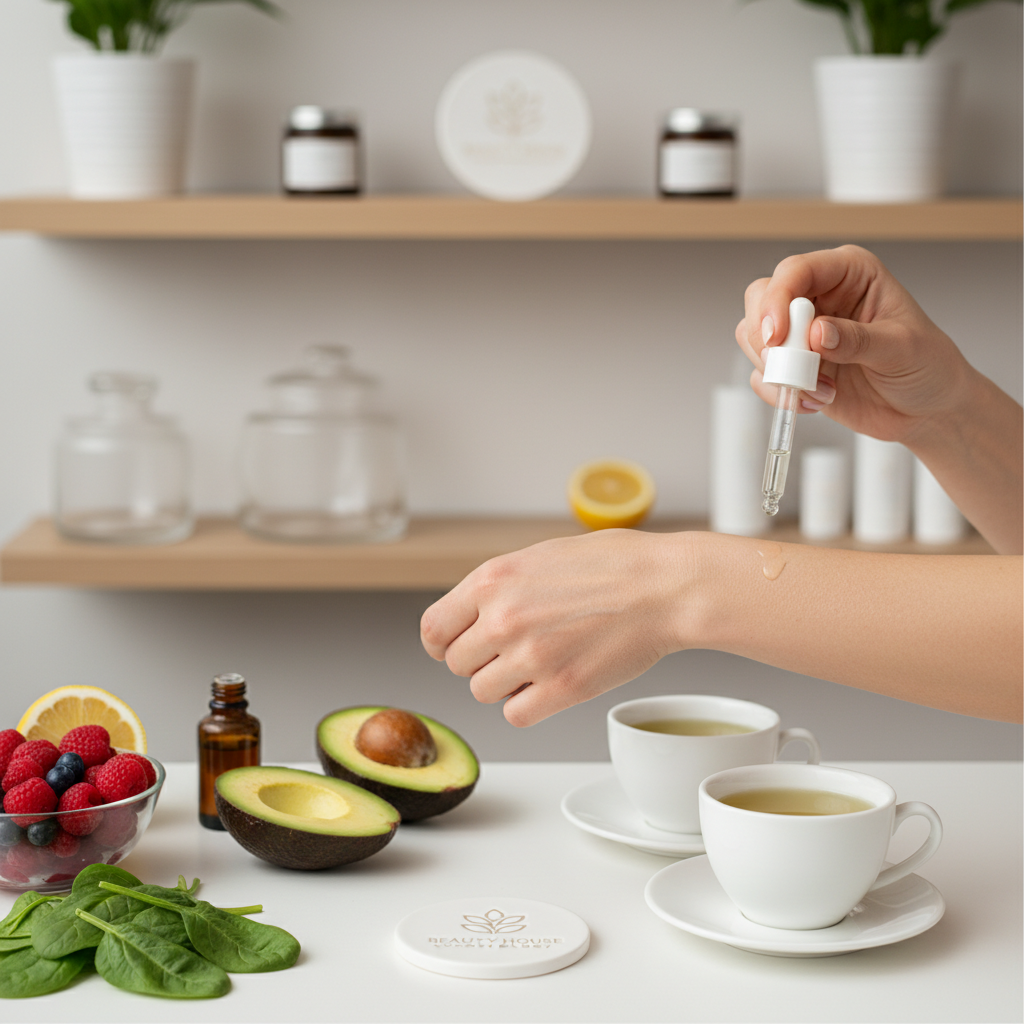
Welcome to the Beauty House Cosmetology blog! If you have ever looked in the mirror and noticed the first signs of fine lines or a loss of firmness, you have likely heard of collagen. This powerhouse protein is the secret behind plump, elastic, and youthful-looking skin. However, as we age, our bodies naturally begin to slow down its production. The good news is that you can take proactive steps to revitalize your complexion. In this comprehensive guide, we will explore exactly how to produce collagen in the skin through nutrition, skincare, and professional aesthetic treatments.
Understanding Collagen: The Building Block of Beauty
Before diving into the methods of stimulation, it is essential to understand what collagen actually is. Collagen is the most abundant protein in the human body, acting as a "glue" that holds everything together. In the dermis—the middle layer of your skin—collagen forms a fibrous network of cells called fibroblasts, upon which new cells can grow. This process provides the structural integrity that keeps your skin looking smooth and tight.
Unfortunately, starting in our mid-20s, we lose about 1% of our collagen every year. Factors like UV exposure, pollution, high sugar intake, and smoking accelerate this decline. Learning how to produce collagen in the skin is not just about vanity; it is about maintaining the health and resilience of your body’s largest organ.
1. Nutrition: Building Collagen from the Inside Out
The first step in any beauty journey begins with what you put on your plate. Your body cannot produce collagen if it does not have the necessary raw materials. To boost production naturally, you need to focus on specific nutrients that act as precursors to this vital protein.
First and foremost is Vitamin C. This antioxidant is crucial for the synthesis of hyaluronic acid and the cross-linking of collagen fibers. Without adequate Vitamin C, your body simply cannot effectively build collagen. Incorporate citrus fruits, strawberries, bell peppers, and leafy greens into your daily diet. Additionally, you need amino acids like proline and glycine, which are found in protein-rich foods such as egg whites, dairy, lean meats, and soy products.
According to research from Healthline, consuming foods rich in copper and zinc also plays a vital role in the chemical reactions required for collagen formation. By maintaining a balanced diet, you provide the biological foundation your skin needs to remain firm and hydrated.
2. Topical Solutions: Skincare That Works
While diet is fundamental, how to produce collagen in the skin also involves what you apply topically. Not all skincare products are created equal, and some ingredients are scientifically proven to stimulate collagen synthesis more effectively than others.
Retinoids (Vitamin A): Retinol and its derivatives are the gold standard in anti-aging. They work by increasing cell turnover and stimulating the fibroblasts to produce more collagen. With consistent use, retinoids can significantly reduce the appearance of fine lines and improve skin texture.
Vitamin C Serums: Applying Vitamin C directly to the skin helps protect existing collagen from oxidative stress while encouraging the production of new fibers. At Beauty House Cosmetology, we recommend using a high-quality serum every morning under your sunscreen.
Peptides: These are small chains of amino acids that act as messengers. When applied to the skin, they signal to your cells that collagen has been lost and needs to be replaced, triggering the healing and production process.
3. Professional Treatments at Beauty House Cosmetology
Sometimes, home care is not enough to achieve the dramatic results you desire. At Beauty House Cosmetology, we specialize in advanced aesthetic procedures designed specifically to trigger the body’s natural wound-healing response, which in turn boosts collagen production significantly.
Microneedling: This procedure involves using fine needles to create controlled micro-injuries in the skin. This "trauma" prompts the skin to go into repair mode, flooding the area with new collagen and elastin. It is one of the most effective ways to treat acne scars, large pores, and wrinkles.
Radiofrequency (RF) Therapy: RF treatments use energy to heat the deeper layers of the dermis. This heat causes existing collagen fibers to contract (providing an immediate lifting effect) and stimulates the production of new collagen over the following weeks. It is a non-invasive favorite for those looking for skin tightening.
Chemical Peels: By removing the damaged outer layers of the skin, professional-grade chemical peels encourage the growth of fresh, collagen-rich tissue underneath. Depending on the depth of the peel, the results can range from a subtle glow to a complete skin transformation.
4. Lifestyle Habits for Collagen Preservation
Understanding how to produce collagen in the skin is only half the battle; you must also protect the collagen you already have. Prevention is often easier than restoration.
Sun Protection: UV radiation is the number one enemy of collagen. It breaks down the protein fibers and causes "solar elastosis." Wearing a broad-spectrum SPF 30 or higher every single day is non-negotiable if you want to maintain youthful skin.
Sleep and Stress Management: During deep sleep, your body enters a state of repair. Cortisol, the stress hormone, is known to break down collagen. Ensuring 7–9 hours of quality sleep and practicing stress-reduction techniques like meditation can have a direct impact on your skin’s firmness.
Hydration: While water itself doesn't "make" collagen, a hydrated environment is necessary for the skin cells to function optimally. Well-hydrated skin appears plumper and allows for better transport of nutrients to the dermis.
Conclusion: Your Journey to Firmer Skin
Learning how to produce collagen in the skin is a holistic process that involves a combination of healthy internal habits, a dedicated skincare routine, and the help of professional aesthetic experts. At Beauty House Cosmetology, we are committed to helping you achieve your skincare goals through personalized consultations and state-of-the-art treatments.
Whether you choose to start with a diet rich in antioxidants, incorporate a retinol serum into your nightly ritual, or visit us for a rejuvenating microneedling session, the best time to start focusing on your collagen health is today. Consistency is key, and with the right approach, you can enjoy a radiant, resilient, and youthful complexion for years to come.