
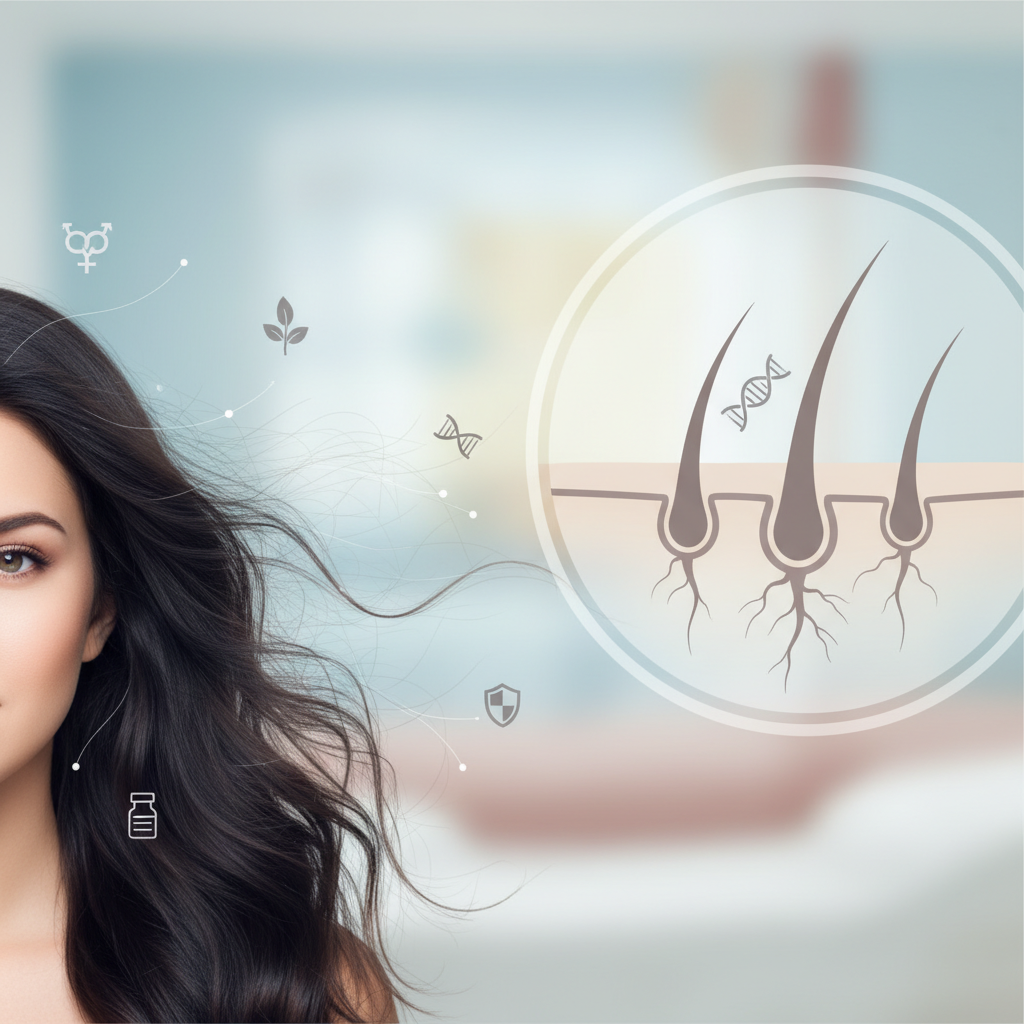
At Beauty House Cosmetology, we understand that hair is more than just a physical attribute; it is a symbol of confidence, health, and personal identity. When women notice thinning patches or excess strands in their brushes, it can be an emotionally taxing experience. Hair thinning is often perceived as a predominantly male issue, but statistics show that millions of women worldwide face this challenge at some point in their lives. Identifying the specific causes of hair loss in women is the first step toward finding an effective solution and restoring both your hair and your self-esteem.
The Role of Genetics and Hereditary Factors
One of the most frequent causes of hair loss in women is female pattern hair loss (FPHL), also known as androgenetic alopecia. Unlike men, who often experience a receding hairline or a bald spot on the crown, women usually notice a general thinning across the entire scalp, with the most significant loss occurring along the part line. This condition is hereditary and can be inherited from either the mother’s or father’s side of the family. It typically becomes more noticeable as women age, often surfacing during or after menopause when estrogen levels decrease, allowing male hormones like dihydrotestosterone (DHT) to have a more significant impact on hair follicles.
Hormonal Imbalances and Life Transitions
Hormones are the chemical messengers that regulate almost every process in the body, including the hair growth cycle. When these hormones fluctuate, the hair is often the first to react. Pregnancy is a common example; while high estrogen levels during pregnancy often result in thick, luscious hair, the sudden drop in hormones postpartum can lead to a condition called telogen effluvium, where large amounts of hair fall out simultaneously. Similarly, menopause causes a decrease in hair-friendly hormones, leading to slower growth and finer strands. Conditions such as Polycystic Ovary Syndrome (PCOS) can also cause an overproduction of androgens, leading to thinning on the scalp and, paradoxically, unwanted hair growth on the face or body.
Physical and Emotional Stress
Our bodies prioritize vital organs over non-essential functions like hair growth during times of extreme stress. Whether it is a physical trauma, such as surgery or a severe illness, or emotional distress caused by life changes, the body can prematurely push hair follicles into a "resting" phase. This type of hair loss usually occurs three to six months after the stressful event. Fortunately, this is often temporary, and with the right care and stress management techniques, the hair cycle usually returns to normal within a year.
Nutritional Deficiencies and Diet
The health of your hair is a reflection of your internal nutrition. Hair follicles are among the fastest-growing cells in the body, requiring a constant supply of energy and nutrients. A lack of essential vitamins and minerals is a significant factor among the causes of hair loss in women. Iron deficiency (anemia) is a leading culprit, as iron helps red blood cells carry oxygen to your cells. Other critical nutrients include Vitamin D, Zinc, B-vitamins (especially Biotin), and protein. Extreme "crash" dieting or sudden weight loss can also deprive the body of these essentials, leading to noticeable shedding.
Medical Conditions and Autoimmune Disorders
Sometimes, hair loss is a secondary symptom of an underlying medical issue. Thyroid disorders, whether hyperthyroidism or hypothyroidism, are well-known triggers for hair thinning because the thyroid hormone regulates the development and maintenance of hair follicles. Additionally, autoimmune diseases like Alopecia Areata occur when the immune system mistakenly attacks the hair follicles, causing round patches of hair loss. According to the American Academy of Dermatology, professional diagnosis is crucial for these conditions, as treating the primary medical issue often resolves the hair loss.
Hairstyling Habits and Chemical Damage
In our pursuit of beauty, we sometimes inadvertently damage our hair. Constant use of high-heat styling tools, frequent bleaching, and chemical relaxers can weaken the hair shaft, leading to breakage. Furthermore, styles that pull the hair tightly—such as high ponytails, braids, or extensions—can cause a condition known as traction alopecia. This involves permanent damage to the hair follicle due to prolonged tension. At Beauty House Cosmetology, we always recommend "hair-friendly" styling techniques and regular deep-conditioning treatments to maintain the integrity of your strands.
How Beauty House Cosmetology Can Help
Recognizing the causes of hair loss in women is essential for selecting the right treatment path. At Beauty House Cosmetology, we offer specialized consultations to help you understand the health of your scalp and hair. From advanced scalp treatments that stimulate blood flow to the follicles to nourishing therapies that replenish lost nutrients, our goal is to provide a holistic approach to hair care. We believe that every woman deserves to feel beautiful, and addressing hair thinning with professional expertise is a powerful way to regain that confidence. If you are noticing more hair loss than usual, do not wait; early intervention is the key to preserving your natural beauty.